
Should You Electrify Your Panic Bars? A Practical 2025 Guide for Commercial Buildings
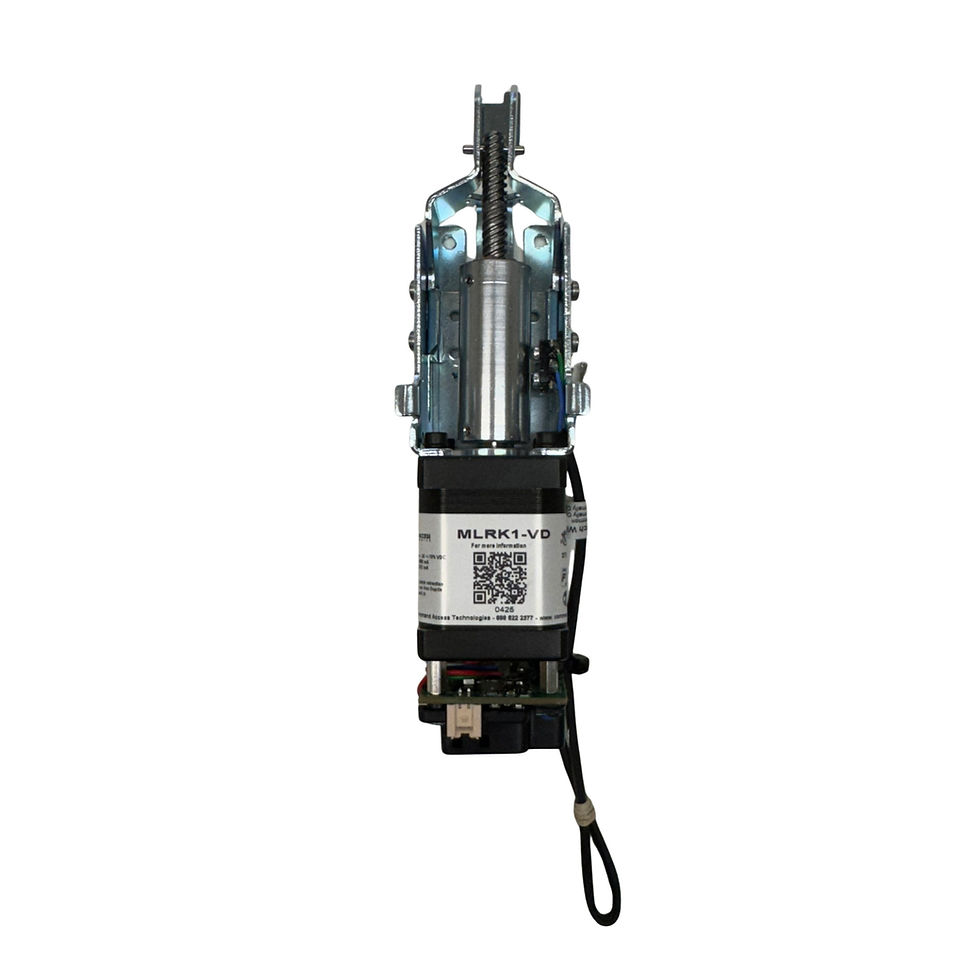
As more businesses modernize their security, upgrading doors and hardware has become a priority. Most companies don’t need new doors — they need electrified panic hardware that integrates with access control, reduces manual labor, and stays compliant with fire and life-safety codes.
If your facility is moving toward cloud-managed access control or why more businesses are switching to electronic locks, electrifying your existing panic bars is usually the smartest (and most cost-effective) way to modernize.
What Electrifying a Panic Bar Actually Means
A standard panic bar is mechanical: push → door opens. Electrified hardware adds electric latch retraction (ELR) so the door can:
Unlock on schedules
Respond to card readers & keypads
Release automatically on fire alarm
Provide smooth traffic flow without propping doors
You keep the same device — you just give it power and control.
Why Businesses Electrify Their Panic Doors
1. Access Control Compatibility
If you're adding card access, mobile credentials, or cloud-based systems, the door must be electrified. Without it, the access control system has nothing to control.
2. Preventing Propped Doors
Uncontrolled propping is the #1 security failure in commercial buildings. Electrified latch retraction solves this without chasing staff.
3. Fire & Life Safety Compliance
When tied into the fire panel, electrified panic hardware can automatically release during emergencies — something mechanical devices can’t do alone.
4. Modernizing Without Replacing Doors
Electrification kits allow you to upgrade the door’s function without replacing the device, frame, or door itself. Huge cost saver.
Motor vs. Solenoid Electrification (The Critical Choice)
Choosing the wrong latch retraction method causes buzzing, weak retraction, overheating, and premature failure.
Motor-Driven ELR
Quieter
Energy-efficient
Better for high-traffic doors
Runs cooler
Solenoid-Driven ELR
Faster activation
Higher inrush power
Runs hotter on long holds
Common on legacy systems
For a detailed comparison of both technologies, see this guide on electrification kits for panic bars.
When Electrifying a Panic Bar Isn’t the Right Move
Electrification is not ideal when:
The panic device is worn or outdated
The device is fire-rated but lacks an approved kit
The door/frame cannot support a clean power run
The door is low-traffic and doesn’t justify the upgrade
Sometimes replacement or mechanical-only solutions make more sense.
Installation Mistakes That Kill Performance
1. Undersized Power Supply
Especially with solenoids — insufficient inrush capacity causes buzzing and weak pulls.
2. Wrong Wire Gauge on Long Runs
Voltage drop = inconsistent latch retraction.
3. Missing Fire System Integration
If not tied in properly, AHJ inspectors will reject the opening.
4. Ignoring AHJ Requirements
Local code always wins — verify before installation, not after.
Bottom Line
If your building is moving toward electronic, cloud-managed access, electrifying panic bars is one of the fastest and most cost-effective upgrades. It adds control, improves safety, and extends the life of existing hardware without major renovation.


Comments